Buying a house in France for expats : costs, process, taxes




Article summary
Relocating to France often starts with a simple idea. Owning a home in the countryside, an apartment in a big French city (Paris, Lyon, Montpellier, Strasbourg..) or a house near the Mediterranean sea. For many expats, buying property becomes part of a long term plan to spend more time in France or eventually move there.
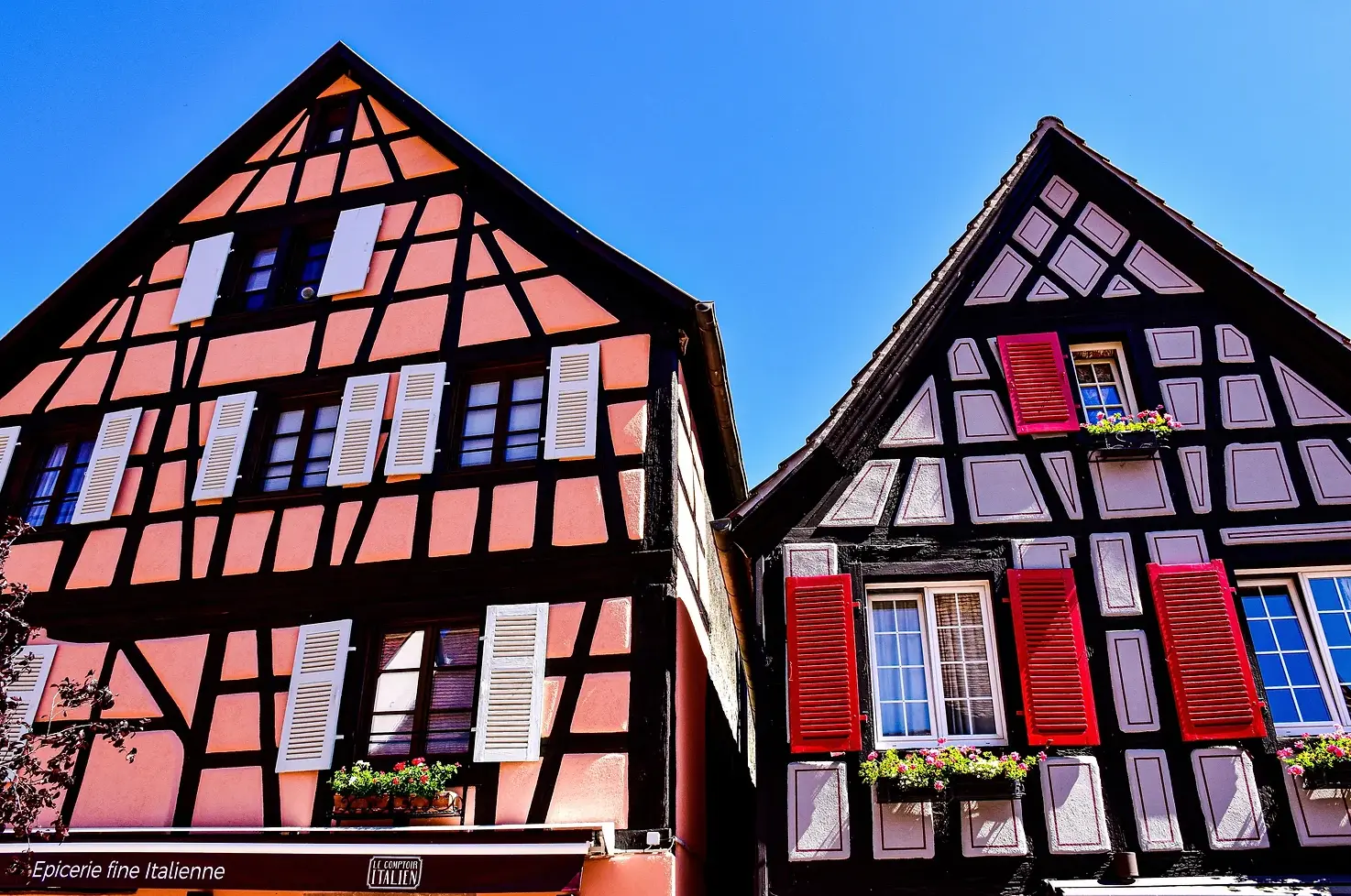
France remains one of the most accessible property markets in Europe for international buyers. Americans, British citizens, and other non EU nationals regularly purchase homes across the country. However, the legal and administrative environment is very different from what many buyers expect. Property ownership, residency rights, taxes, and financing all follow specific French rules.
Understanding these rules early helps avoid costly surprises. Buying a house in France is not only about finding the right property. It also involves legal checks, notaire procedures, financial planning, and sometimes visa considerations if you plan to stay longer than a few months.
Our EasyStart guide explains the full picture for expats. You will learn how foreigners can legally buy property in France, what the buying process looks like, the real costs involved, and the administrative aspects many international buyers discover too late. -> At EasyStart, we regularly assist future expats navigating relocation to France, and property ownership often becomes part of that journey.
Can foreigners buy a house in France (and what it means for residency)?
One of the most common misconceptions among international buyers is that purchasing property in France automatically gives the right to live in the country. This confusion often comes from countries where real estate investment can lead to residency permits.
France works differently. The property market is open to foreigners, but immigration rules remain completely separate from property ownership.
Understanding this distinction early helps avoid misunderstandings when planning a relocation or long term stay.
Yes, you can buy a house in France, there is no nationality ban
- France has one of the most open property markets in Europe. Foreign nationals are allowed to buy houses, apartments, or land without nationality restrictions. This applies whether you are from the United States, the United Kingdom, Canada, Australia, or any other country outside the European Union.
- You do not need to be a French resident to purchase real estate. In practice, many buyers complete the entire transaction while living abroad. The purchase is handled through a French notaire, who oversees the legal process and ensures the transfer of ownership follows French property law.
- Foreign buyers are therefore treated largely the same as French citizens when it comes to property ownership. The main differences usually appear in financing, tax considerations, and administrative requirements such as proof of funds.
This open market is one of the reasons France remains a popular destination for international property buyers looking for second homes, retirement plans, or long term relocation opportunities.
What buying a house in France gets you
Owning a property in France can support certain administrative steps, especially when preparing a visa application or planning a relocation. One practical advantage is that a property deed serve as proof of accommodation in some visa dossiers :
For example, applicants for a France long stay visitor visa often need to demonstrate where they will live in France. Owning a home can help meet this requirement, as it shows stable accommodation during the stay.
Property ownership can also simplify the practical side of relocation. Having a permanent address can make it easier to set up utilities, open local accounts, arrange insurance, and prepare for longer stays.
However, it is important to understand that these advantages relate only to logistics and documentation. They do not replace the need to follow French immigration procedures.
What buying a house in France does NOT get you
France does not operate a real estate based residency program. Buying property does not grant a residence permit, a visa, or the right to live in the country year round.
Many non-EU buyers are surprised by this point. In several countries, property investments can lead to so-called “golden visas”. France does not offer such a scheme.
If you do not hold a long stay visa or residency permit, your time in France falls under the Schengen travel rules. For most non EU citizens, including Americans and British nationals, this means you can stay up to 90 days within any 180 day period in the Schengen area.
Because of this rule, owning a house does not allow you to live in France full time unless you obtain the appropriate visa or residence status.
To clarify the distinction:
- You can buy property in France at any time, even as a non resident.
- Living in France long term requires a visa or residence permit.
Common legal pathways that allow expats to stay in France longer include:
- France Visitor visa (long stay visa) for retirees or financially independent residents
- Work visas tied to employment with a French employer
- Family based residency through marriage or family reunification
- Talent Passport visas for qualified professionals, entrepreneurs, or investors
France Entrepreneur Visa if you plan to create your own business or working as a freelance
Each pathway follows specific administrative procedures and eligibility requirements. Property ownership may support a relocation plan, but it is never a substitute for immigration status.
Do you need a visa/residency to own property in France?
No. You do not need a visa, residency permit, or French citizenship to purchase property in France.
Foreign buyers can legally acquire real estate while living abroad, and many transactions are completed without the buyer being physically present in France. The notaire can manage the legal documentation, and powers of attorney are sometimes used if needed.
As we mentioned before, property law and immigration law operate separately in France. Owning a house does not change your immigration status, and immigration status is not required to own property.
For expats planning a future move, the most effective strategy is usually to approach both topics together. Secure the right visa pathway while planning the property purchase timeline. This avoids complications and ensures your relocation project remains legally aligned with French regulations.
Understanding the true cost of buying and owning a house in France : price, fees, frais de notaire, cash buffer
When expats first explore property in France, the focus is often on the listing price. In practice, the purchase price is only one part of the total budget. The French buying system includes legal fees, taxes, and administrative costs that must be planned early.
When buying a house in France, it is also important to anticipate the ongoing expenses once you own the property. Local taxes, insurance, maintenance and building charges can vary depending on the location and type of property.
For international buyers, additional financial factors may appear. Currency exchange rates, international transfers, and banking procedures can influence the final cost of the transaction.
Preparing a realistic budget with a financial buffer helps avoid delays or complications during the purchase process.
Notaire costs
Every property transaction in France must be handled by a notaire, a public legal officer responsible for validating and registering the sale. The notaire ensures that the transfer of ownership complies with French law and that all administrative checks are completed before the final signing.
The fees commonly referred to as frais de notaire include several elements. A large portion corresponds to government taxes that the notaire collects on behalf of the French state and local authorities. The remainder covers administrative costs and the notaire’s regulated legal fee.
For existing properties, these costs commonly represent around 7 to 8% of the purchase price. For new constructions or recently built properties, the rate is usually lower and often falls between 2 to 3%. Buyers must pay these fees at the moment of the final signing of the deed of sale. Because of this, they need to ensure the required funds are available before completion.
While French banks can sometimes include notaire fees within the total financing structure, most lenders still require a personal contribution toward the purchase.
House mortgage : personal contribution expected
For non-resident buyers, French banks commonly expect a down payment of at least around 20% of the property price. In some situations, especially when income is earned outside the eurozone, banks may request up to 30% to secure the financing.
In France, there is no legal rule requiring a minimum down payment to obtain a mortgage. However, lending practices are influenced by financial regulations and risk management policies followed by banks.
According to guidance from the French financial regulator, the Haut Conseil de Stabilité Financière (HCFS), lenders must respect strict borrowing conditions such as debt-to-income limits and maximum loan duration.
This personal contribution usually helps cover acquisition costs such as notaire fees, bank guarantees, and part of the property price itself. Preparing sufficient liquidity early is therefore an important step when planning a property purchase in France.
Taxe fonciere
Property owners in France are responsible for paying taxe fonciere, an annual property tax collected by local authorities. This tax applies to most property owners, including non residents.
The amount varies depending on several factors such as the municipality, the property size, and the official rental value used by the tax administration. In large cities, taxe foncière can be relatively high, while rural areas may have lower rates.
The tax fonciere bill is generally issued once per year, usually in the autumn. If you purchase a property during the year, the tax is often prorated between the buyer and the seller at the time of the transaction.
For expats planning long term ownership, taxe fonciere should always be included in the annual cost projection of the property.
Taxe fonciere example:
These figures are only examples to illustrate typical ranges. The actual tax depends on several elements, including:
• the cadastral value assigned by the tax administration
• the tax rates voted by the local municipality
• the property size and classification
• possible local surcharges or adjustments
For expats planning to buy a house in France, it is always advisable to request the latest taxe fonciere bill from the seller during the purchase process. This document provides the most reliable indication of the annual property tax and helps buyers understand the long term cost of ownership before completing the transaction.
Insurance, maintenance, condo charges (if apartment)
Owning property in France also comes with regular maintenance and insurance obligations.
- Property insurance, often called home insurance, is required by lenders if the purchase involves a mortgage. This insurance protects the property against risks such as fire, water damage, and natural disasters.
- Maintenance expenses should also be expected, particularly for houses. Roof repairs, heating systems, gardens, and older structures may require regular upkeep. In rural areas, some properties may include additional features such as outbuildings or septic systems that require periodic servicing.
- For apartments located in shared buildings, owners must also pay co ownership charges. These charges contribute to the maintenance of common areas, building insurance, elevators, and shared infrastructure. The amount depends on the size of the apartment and the services offered by the building.
Over time, these recurring costs become an important part of the real cost of owning property in France.
Buying from abroad: the hidden cost of bank fees, transfer delays, and EUR/USD exchange rates
International buyers often overlook the financial impact of transferring funds from abroad. When purchasing property in France, payments such as the deposit and final purchase amount must usually be transferred to the notaire’s secure account.
Bank transfer fees, intermediary bank charges, and currency conversion rates can significantly affect the total cost. This is particularly relevant for buyers transferring funds from US dollars or other foreign currencies into euros.
Exchange rate fluctuations between the euro and the US dollar can change the final purchase price when converted back to the buyer’s original currency. Even a small movement in the exchange rate can represent several thousand dollars on a large property transaction.
Because of this, many international buyers plan their transfers carefully and monitor exchange rates before sending funds. Some use international transfer services such as Wise to reduce conversion costs and improve transparency in currency exchange.
Planning these transfers early can prevent delays during the purchase process, especially when deposits must be transferred within specific contractual deadlines.
Cost checklist for buying and owning property in France
The following overview helps expats understand which expenses occur during the purchase and which continue after becoming the owner.
Choosing the right location is one of the most important decisions when buying a house or an apartment in France. Many expats start their search based on lifestyle preferences such as scenery or proximity to famous regions. However, the practical aspects of daily life often become just as important after the purchase.
Your location should support your long term plan in France. Whether you intend to work remotely, retire, or split your time between countries, the surrounding infrastructure and services will shape your experience of living there.
France offers a wide range of property environments, from dense city centers to rural villages. Understanding how these environments affect transportation, healthcare access, administration, and connectivity helps expats make decisions that remain practical beyond the initial excitement of the purchase.
Finding a property in France: agents, portals, and English-speaking support
Most expats begin their property search online, often months before they are ready to buy. France offers many real estate platforms where buyers can browse listings across the country. While these portals are useful for exploring the market, they are only one part of how properties are actually sold.
Platforms such as SeLoger, Bien’ici, Green-Acres or LeBonCoin are widely used in the French market.
In practice, many transactions still happen through local real estate agents, personal networks, or notaires who manage sales directly for sellers. Understanding how listings circulate in the French property market helps buyers access more opportunities and avoid some common mistakes during the search process.
For international buyers, language and administrative complexity can also influence the experience. Working with professionals who are familiar with expat transactions can help clarify legal steps and avoid misunderstandings during negotiations.
Where listings really come from
Large online property portals have become the starting point for many buyers. These websites gather listings from thousands of agencies across the country and allow users to search by region, price range, and property type.
Just note that these platforms rarely show the entire market. Many homes are first marketed locally through individual agencies that specialize in specific towns or regions. In smaller communities especially, local agents often know about upcoming listings before they appear online.
Another important source of listings comes from notaires, who sometimes handle property sales directly. These transactions can occur when a notaire manages the sale of a family property, inheritance, or estate. In these cases, the property may be listed through the notaire’s network rather than through a traditional agency.
Because of this fragmented system, serious buyers often combine several approaches. Online searches help identify market prices and available homes, while local agents provide access to properties that may not yet be widely advertised.
Using an real estate agent vs buying directly
In France, buyers can either work with a real estate agent or purchase directly from a private seller. Both approaches exist, and each has advantages depending on the situation.
Working with a real estate agent often simplifies the process, especially for international buyers who are unfamiliar with the French property system. Agents typically manage property visits, negotiations, and communication with the seller. Many agencies also help coordinate with the notaire once an offer is accepted.
Agents can also provide practical insight into the local market. They often know recent sale prices in the neighborhood and can identify potential issues that may not be obvious during an initial viewing.
Buying directly from a private seller can sometimes reduce the purchase price because agency fees are avoided. However, the buyer must manage more of the process independently, including negotiations and coordination with the notaire.
For expats who are not yet familiar with French property procedures, professional guidance can often reduce the risk of misunderstandings or delays.
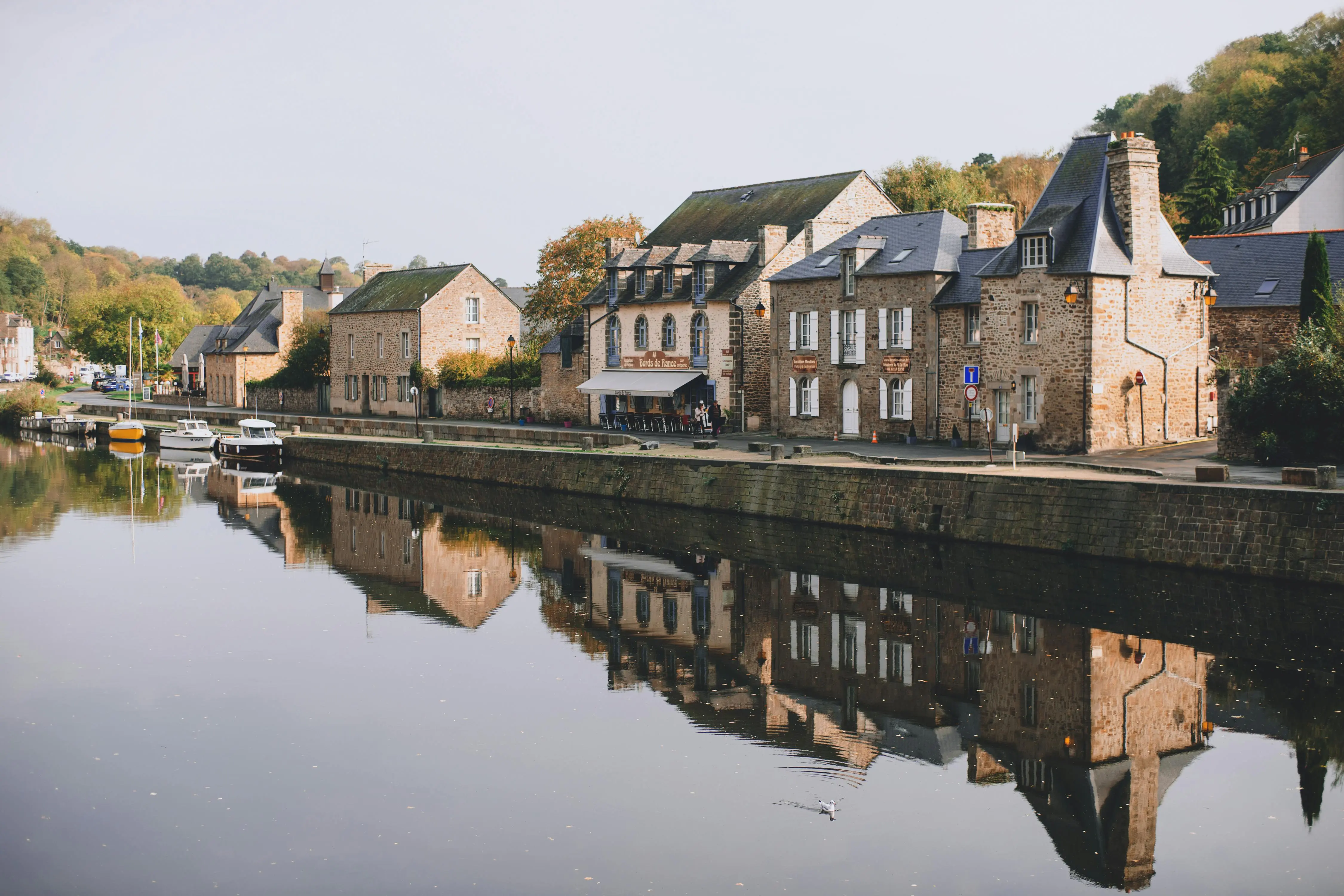
The French property purchase process follows a clear legal structure. For many expats, the terminology may initially seem unfamiliar, but the steps are well defined and widely used across the country. Once you understand how the sequence works, the process becomes much more predictable.
Most transactions follow the same progression :
- the buyer makes an offer,
- the parties sign a preliminary agreement,
- the notaire conducts legal checks before the final deed of sale is signed
The entire process is designed to protect both the buyer and the seller while ensuring that the property transfer complies with French property law.
For international buyers, understanding each stage in advance helps reduce uncertainty and makes it easier to plan timelines, financing, and administrative steps.
Step 1 : Making a written offer
Once you have identified a property you wish to purchase, the first step is to submit an offer to the seller. In France, offers are usually presented in writing, either through the real estate agent or directly to the seller.
A verbal offer has no legal value. Even if a seller verbally agrees to a price during a visit, the offer only becomes meaningful when it is formally written and transmitted.
The written offer typically includes the proposed purchase price, the validity period of the offer, and sometimes initial conditions related to financing or timing. The seller can accept the offer, reject it, or make a counteroffer.
Once the offer is accepted, the transaction moves to the next formal stage of the process.
Step 2 : Compromis de vente (and the 10-day cooling-off period)
After the offer is accepted, the buyer and seller sign a compromis de vente, also called a preliminary sale agreement. This document establishes the main terms of the transaction and legally commits both parties to proceed with the sale under the agreed conditions.
The compromis includes essential details such as the purchase price, property description, planned timeline, and any contractual conditions that must be fulfilled before the final sale.
French law provides an important protection for buyers at this stage. After signing the compromis, the buyer benefits from a 10-day cooling-off period during which they can withdraw from the transaction without providing a reason and without financial penalty.
This cooling-off period begins the day after the buyer receives the signed contract by registered letter or official notification. Only after these ten days have passed does the agreement become fully binding for the buyer.
Step 3 : Deposit and clauses suspensives (condition precedent)
Once the cooling-off period has passed, the buyer usually transfers a deposit to the notaire’s escrow account. This deposit is typically around 5 to 10 percent of the purchase price, although the exact amount can vary depending on the agreement between the parties.
The compromis also includes clauses suspensives, which are protective conditions written into the contract. These clauses specify events that must occur for the sale to proceed.
One of the most common clauses relates to mortgage financing. If the buyer intends to obtain a loan and the bank ultimately refuses the mortgage despite proper efforts by the buyer, the clause allows the buyer to withdraw from the purchase and recover the deposit.
Other clauses may relate to planning permissions, administrative checks, or the absence of legal issues affecting the property.
These clauses play an important role in protecting buyers while the legal and financial verification process takes place.
Step 4 : Due diligence & “diagnostics” file
Before the final sale can occur, the property must be accompanied by a set of technical reports known as the diagnostics techniques. These reports provide information about the physical condition of the property and potential risks.
The diagnostics file may include several mandatory assessments, such as:
• the energy performance certificate (DPE)
• checks for asbestos or lead in older buildings
• electrical and gas installation inspections
• risk reports related to natural hazards or environmental exposure
The exact diagnostics required depend on the age and characteristics of the property. These reports are typically prepared by certified inspectors and must be provided to the buyer before the preliminary contract is signed.
For expats unfamiliar with the French system, the diagnostics file offers an important overview of the property's technical condition. It helps buyers identify potential renovation costs or compliance issues before completing the purchase.
Step 5 : Acte de vente at the notaire (getting the keys)
The final step in the purchase process is the signing of the acte de vente, the official deed of sale. This ceremony takes place at the notaire’s office once all legal verifications and administrative procedures have been completed.
Before the signing, the buyer transfers the remaining purchase funds to the notaire, including the balance of the property price and the acquisition costs. The notaire then confirms the legal transfer of ownership and registers the transaction with the French land registry.
Once the acte de vente is signed, the buyer officially becomes the owner of the property and receives the keys.
From the moment the compromis is signed, the full process typically takes around two to four months. This period allows the notaire to complete legal checks, register the transaction, and ensure that all contractual conditions have been fulfilled.
Typical purchase timeline
• Offer accepted
• Preliminary contract (compromis de vente) signed
• 10-day cooling-off period for the buyer
• Legal checks and financing arrangements handled by the notaire
• Final signing of the acte de vente and transfer of ownership
Ownership structure, couples, and inheritance
French property law includes several ownership arrangements that determine how a property is managed during ownership and what happens after the death of one owner. These rules may interact with marital regimes, inheritance law, and international succession regulations.
Because of these complexities, it is often advisable to discuss the ownership structure with the notaire before completing the purchase. This early discussion helps ensure the property is held in a way that aligns with the couple’s long term plans and legal situation.
Buying as a couple: what your marital regime can change
When two people buy property together in France, their marital regime can influence how ownership is structured and how the property is treated legally.
For international couples, the situation can become more complex because the applicable marital regime may depend on where the marriage was registered or where the couple primarily resides.
Because these elements can affect both ownership rights and inheritance outcomes, the notaire will typically ask questions about marital status and marital regime early in the transaction. Taking time to clarify this point helps prevent legal complications later.
Inheritance cross-border reality
Inheritance rules are another important consideration for expats buying property in France. French succession law includes specific provisions designed to protect certain heirs, particularly children. These rules can influence how property is transferred after the owner’s death.
However, international buyers may also be affected by European succession regulations. Under EU rules on cross border inheritance, the law of the deceased person's last habitual residence may determine which national inheritance law applies to their estate.
This means that an expat living in France may have their estate governed by French inheritance law, while someone living abroad may remain subject to the succession rules of their home country.
Because property ownership, marital regimes, and inheritance law can interact in complex ways, expats should consider succession planning early in the property purchase process. A notaire or qualified legal advisor can help clarify how French and international rules may apply to the situation.
Taking these legal elements into account from the beginning helps ensure that property ownership aligns with both family intentions and long term estate planning.

Renting out your French home
Long-term rental vs short-term/seasonal
Long-term rentals involve renting the property as a primary residence for tenants, typically under a lease that lasts one year or more. This type of rental is regulated by national housing laws that define tenant protections, notice periods, and lease conditions. The framework is relatively stable and widely used throughout the country.
Short-term rentals, sometimes called seasonal rentals, involve renting the property for short stays, often to tourists. These rentals are popular in cities, coastal areas, and regions with strong tourism activity.
However, short-term rentals have become more strictly regulated in recent years, particularly in large cities. Municipalities may require owners to register their property with the local authorities before offering it for short-term rental. In some areas, there are also limits on how many days per year a primary residence can be rented.
Because these rules vary significantly from one municipality to another, buyers should always verify the local regulations before planning to use a property as a short-term rental.
When renting can affect taxes and administrative obligations
Rental income is generally taxable in France, even for non-resident owners. The tax treatment depends on several factors, including the type of rental activity, the owner’s tax residency, and the income structure chosen for the rental.
For example, furnished rentals and unfurnished rentals may fall under different tax regimes. Each regime has its own reporting requirements and deductions for expenses such as maintenance, insurance, or management costs.
In addition to income tax considerations, certain cities also apply local tourist taxes for short-term rentals, which owners must collect and declare when renting to visitors.
Because tax obligations can vary depending on the owner’s personal situation and international tax agreements, many expats choose to consult a tax advisor or property specialist before starting rental activity.
How EasyStart can help
Buying a house in France is an exciting step, but it often becomes more complex for international buyers. Property transactions interact with visa rules, banking procedures, administrative requirements, and relocation logistics. For expats planning a move, these topics are rarely separate.
At EasyStart, we support future expats throughout their relocation journey to France. While purchasing property can be part of the project, it is essential to align it with the right immigration strategy and administrative preparation.
Our team helps clients navigate key steps such as:
• preparing long-stay visa applications
• organizing the administrative process for relocating to France
• understanding residency requirements and legal obligations
• coordinating practical aspects of settling in France
Free consultation
Planning your move to France? Let's talk.
Book a free 15-minute call. We'll look at your profile and tell you exactly where you stand.
- Eligibility confirmed in your first call
- Fixed price, no hidden costs
- Dedicated English-speaking advisor
- 99% approval rate across 1,200+ cases